


The Eurasian Warhorse Education System has been created by the input of HEC trainers as well as other historical riding trainers and practitioners. It combines research into warhorse training, fundamental principles of horse education applicable to equestrian martial arts, and the practical exercises used in the discipline. The system is used by HEC trainers to teach various components of the discipline.
The Horse Grades and Rider Grades in the HEC Grading System are based on the fundamentals of the Eurasian Warhorse Education System, which is a core training component of the discipline. This comprehensive system, which has been created from a lengthy process of research into historical sources combined with practical knowledge and is in standardised form, is used by HEC trainers when teaching the discipline. There are three overall categories in this system, relating to the various skills that Eurasian warhorses needed as well as what our horses today need both for long-term biomechanical health, more harmonic connection between horse and rider, and acquiring the proper fundamental skills for equestrian martial arts:
- Biomechanics, aids, and maintenance
This involves fundamental work to keep a horse functioning well and improving biomechanically, particularly involving balance on both sides, mobility, haunch engagement, and self-carriage. Discipline-specific tack will help prevent negative influence on biomechanics (which some tack and some rider positions will result in), and thus help prevent either short-term or long-term musculoskeletal and biomechanical issues.
- Intermittent reinless riding
This category of training is called Intermittent reinless riding because even in the past, no Eurasian warriors who used bridles were going ‘reinless’ through the entire battle (Nubians of course being an exception here). Recent research, from historical sources as well as with a practical approach, has shown that the typical dynamic of various Eurasian cavalry was to alternate quickly between actively using the reins (e.g. for a more complex riding manoeuvre, sometimes in the midst of close combat) and not (e.g. during a fighting manoeuvre, whether involving ranged or in a ‘tempo’ of close combat). This kind of dynamic is utilised in HEC tracks, though naturally emphasis is placed on progressing towards performing all manoeuvres reinless.
This training involves working with seat and leg aids to attune and lighten the horse primarily to these aids (in correlation with voice aids if desired). The horse will progress to performing more complex manoeuvres with minimal rein aids, which the self-carriage training will assist with. Again, discipline-specific tack will assist with this training, which itself involves two-handed, one-handed, and reinless exercises in tempo, direction, and other lessons, as the horse progresses step by step within the ordered structure of this category of education.
Currently, the emphasis of this component focuses on horse education for the purpose of archery and skill at arms with close combat weapons. As this grows and develops, more emphasis will be placed on joint cavalry manoeuvres and mounted combat.
- Desensitisation and horsemanship
Desensitisation to the right objects is fundamental for any horse in equestrian martial arts. Producing impulsive horses who are sensitive to the aids we want but who do not react to weapons, equipment, etc. is the main goal. There are a lot of levels here, from basic desensitisation to bow, arrows, and quiver; to additional fitness equipment used to refine techniques or riding biomechanics (e.g. resistance bands, weights); to armour (if desired); and even to interaction with other horsemen or infantry.
Types of historical warhorses
When looking at what horses were and are suitable for equestrian martial arts, it is not all about breed–it is more about characteristics (mental, physical, biomechanical, etc), since some individual horses in a breed may have quite desirable characteristics while many others in the same breed do not. This is why we use the word ‘type’ here. There are some breeds which tend to have more of the desired characteristics though, and these will be mentioned, but it is similarly important to look more for characteristics than be too attached to the idea of a specific breed.
A wide range of horses can be trained for archery at the basic level (walk/trot/canter in an arena or on a straight track). Naturally, those who have sound, trainable, versatile minds will be the quickest to pick it up. But if one wants a horse that performs better overall for equestrian martial arts activities and wants to do more advanced equitation, then looking at more specific details in horse characteristics is necessary. At the highest level, naturally well-balanced, athletic, mobile, easily manoeuvrable, very responsive, self-carrying, calm yet energetic, listening horses are most desirable, similar to what you might see in a high-level working equitation horse, for example.
These characteristics usually correlate with aspects of conformation as well, such as a fairly light (but still robust), compact build, particularly a short back, strong haunches, broad chest, stout legs and not too large nor heavy since historical warhorses were typically 12–15 hands and of non-heavy build (heavy horse types, like Friesians/cobs/etc, were used as pack animals, for pulling carts, or for agricultural field work such as plowing, etc. in the medieval period). Horses with Barb and Iberian bloodlines and their descendants (e.g. some mustangs, Criollo, Mangalarga Marchador, etc.) are examples that generally have both good anatomical, biomechanical, and mental features for becoming highly educated warhorses (also because the Iberian ones are often hypermobile and can quite easily get round through the whole body). Arabians are a type that many people often initially think are good ‘warhorses’, but the quality (in both physical and mental features) varies widely with them such that this may not necessarily be the case in many or indeed most instances. In addition, many modern Arabians tend to have weak haunches as well as a habit to raise their heads and create a hollow back, and as a result it is generally more difficult to train collection and general ‘uphill’ posture with them, which does not help make them biomechanically functional, easily manoeuvrable riding horses, though this will vary somewhat between different bloodlines of Arabians. Having horses that are too fine-boned, with more fragile legs and tendons, does not generally contribute to sure-footedness on varied terrain, and the ability to carry weight well (horse armour as well as an armoured rider) and remain well-balanced in difficult combat situations, including pushing against infantry and other cavalry. Furthermore, the hot-blooded warhorses of the Near East were a lot different in physical (and probably mental) features from most Arabians today, though there are some older bloodlines that can be a bit closer in certain ways. Some Kurdish and Turkmen breeds (such as the Iomud) as well as the Darreh-Shouri (an endangered breed in Iran) and the Purosangue Orientale (a Sicilian breed with some Barb, Iberian, and Arab bloodlines) still retain some desired warhorse traits as well. Of course there are others as well, these are just examples.
We can see what were viewed as ideal warhorse characteristics, particularly strong haunches, short back, broad chest, and stout body, illustrated by artists throughout the Eurasian world. This is no coincidence–if depictions of horses with similar characteristics in a specific context (e.g. horses used in martial situations, whether hunting or war) were illustrated by enough artists throughout a wide variety of regions (including Europe), then we can conclude with reasonable certainty that artists overall were drawing horses that they saw in their own world (or at the very least, they were aware of ideal warhorse characteristics, of which they saw some). This is especially the case as we know today that the aforementioned characteristics result in horses who are able to do biomechanically complex manoeuvres far better than horses who do not have these characteristics to the same degree. Naturally, there were slight differences based on terrain, climate, and how these affected the precise functions and uses of cavalry in armies across Eurasia (as well as the size and composition of such armies, which at times encompassed a variety of cultures from different regions), but the aforementioned characteristics are those that are seen in regions where there was the highest level of warhorse education. Exemplary depictions of different types of highly educated warhorses in historical Eurasian sources can be seen here (this is just a sample, rather than an exhaustive list of eastern regions that had highly educated warhorses in the medieval period):
Mamluk
Nihayat al-Su’l wa al-Umniya fi Ta‘allum ‘Amal al-Furusiyya (14th century)

Ilkhanid
Jami al-Tawarikh (14th century)

Ottoman Empire
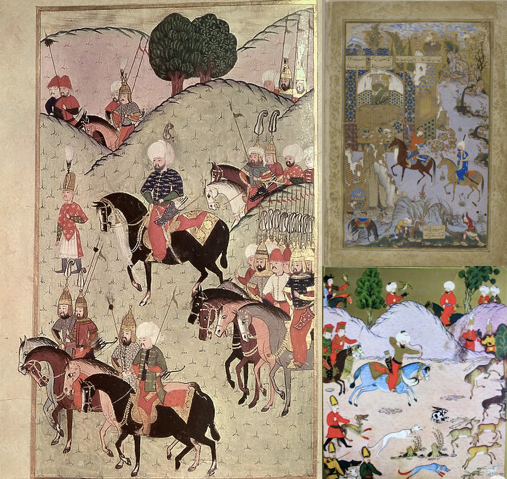
Safavid Persia

Mughal

Here are some examples of some modern breeds that tend to exhibit anatomical characteristics similar to these warhorses (again, this is not an exhaustive list):
Turkmen Iomud

Purosangue Orientale
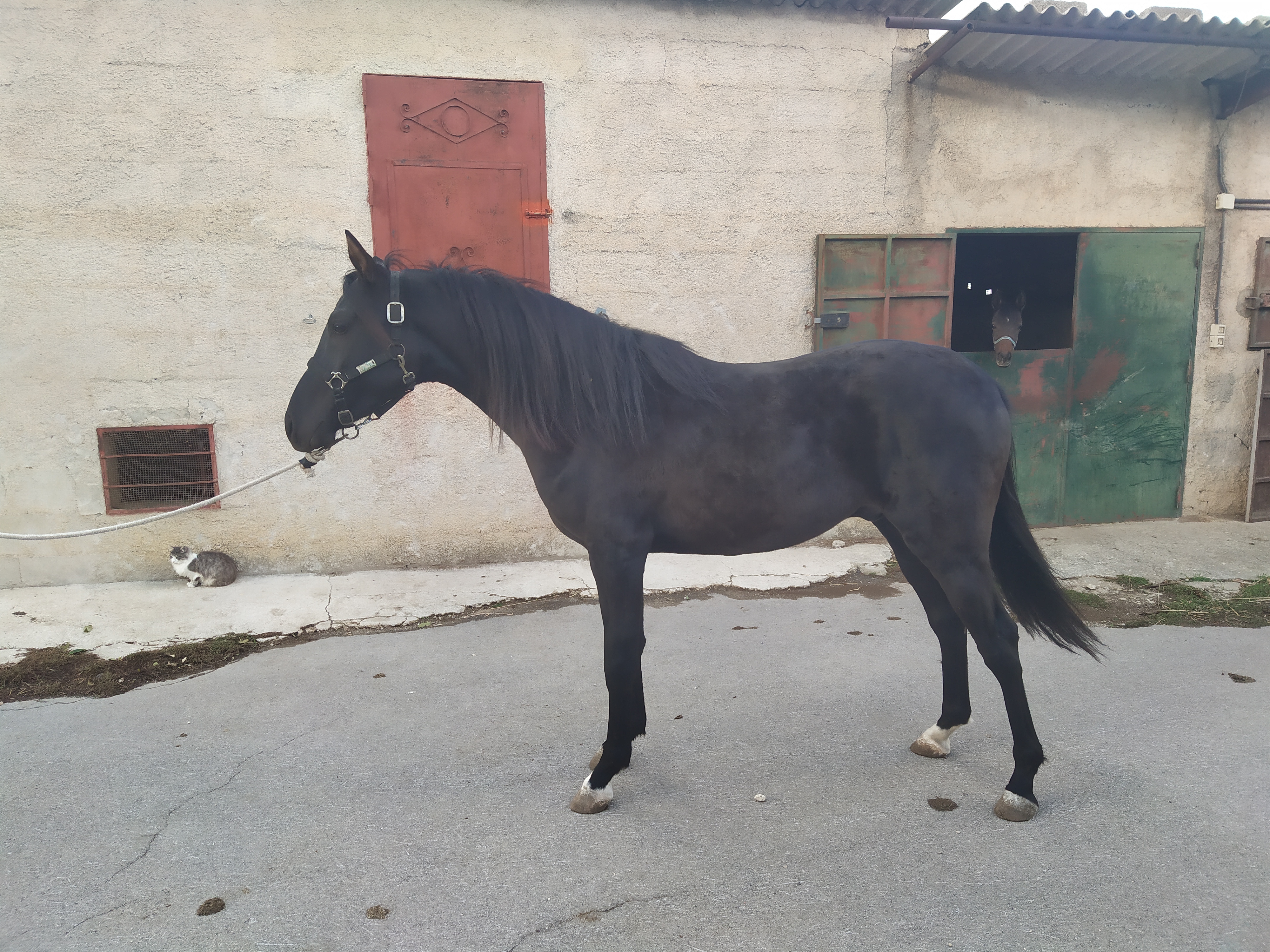
Lusitano
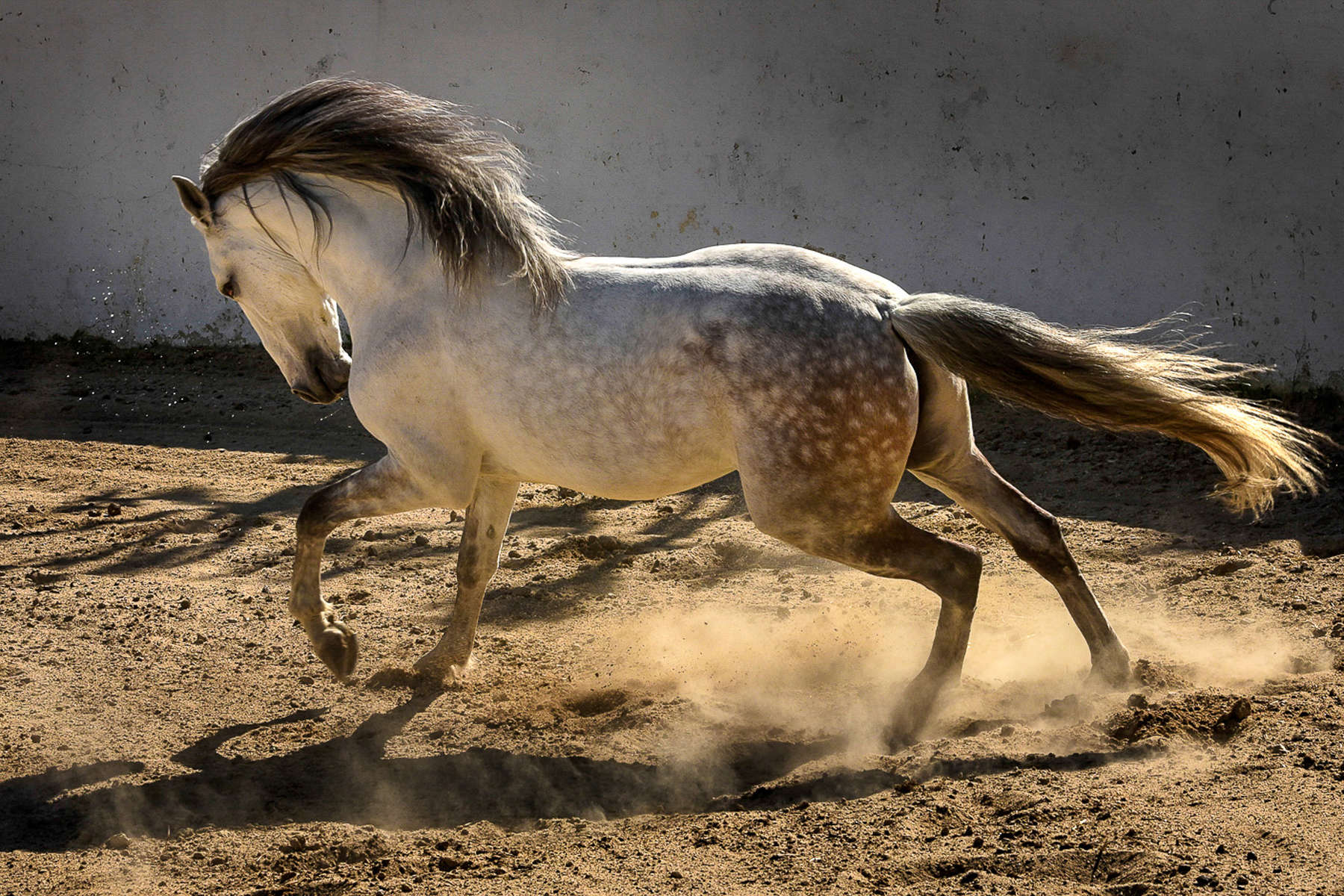
Puro Raza Española
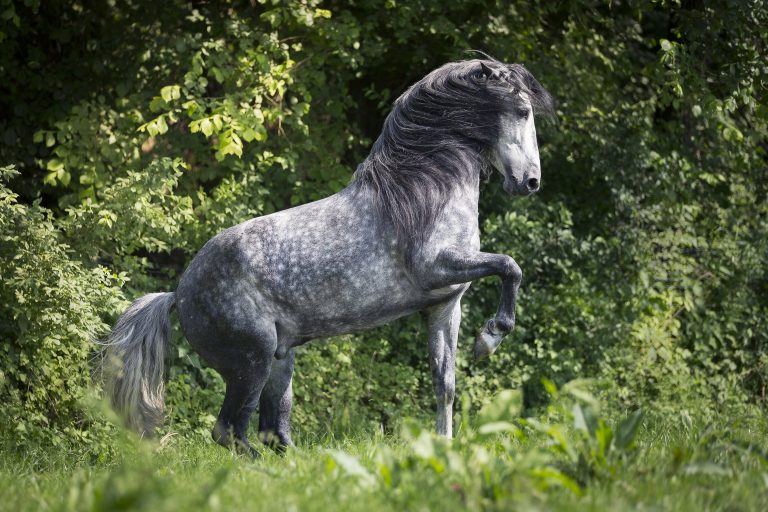
Barb
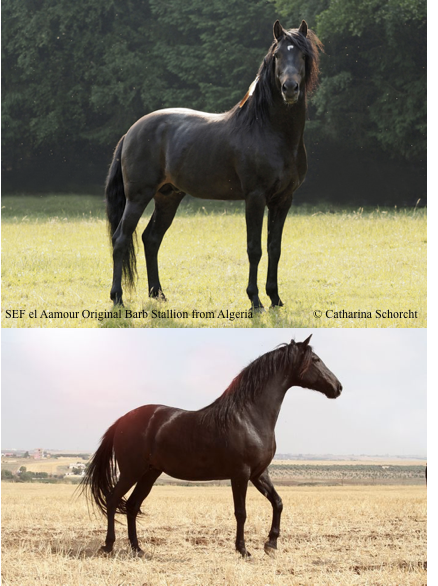
Sicilian Indigenous Horse
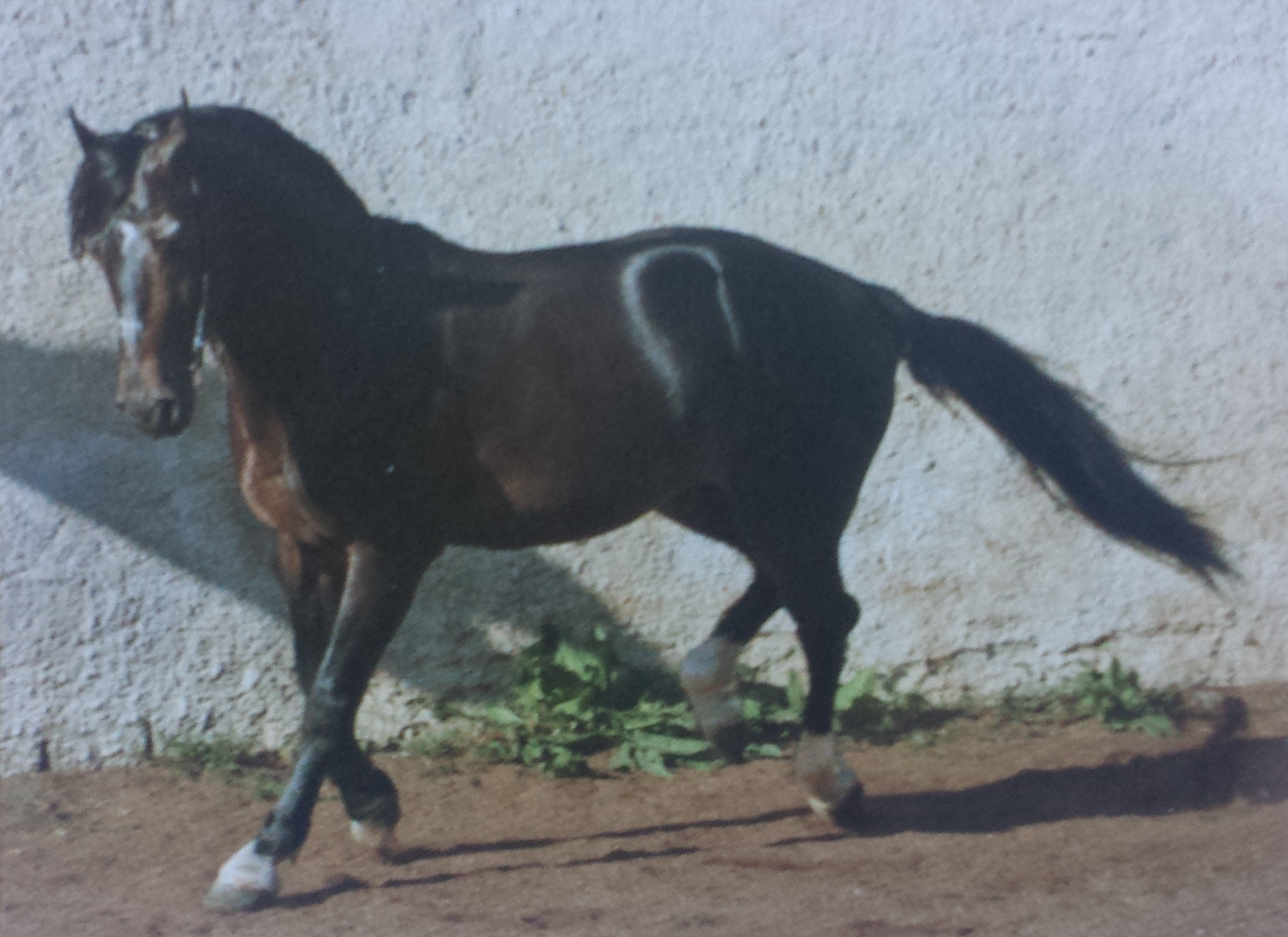
Darreh-Shouri

 Historical Eurasian Cavalry Discipline